
In a world buzzing with distractions, finding a moment of peace can feel like searching for a needle in a haystack. Enter the mindful practice—a delightful antidote to chaos that promises not just tranquility but a sprinkle of joy in everyday life. Imagine sipping your morning coffee and actually tasting it instead of scrolling through social media.
Mindfulness isn’t just for yogis in flowing robes; it’s for anyone who’s ever felt overwhelmed by life’s demands. This practice encourages individuals to focus on the present and embrace their thoughts without judgment. So, if you’re ready to swap stress for serenity and maybe even chuckle at the absurdity of your to-do list, it’s time to dive into the world of mindfulness. Trust us, your mind will thank you, and who knows, you might even discover that life’s little moments are worth savoring.
Overview Of The Mindful Practice
Mindfulness involves focusing awareness on the present moment. It encourages individuals to observe their thoughts, feelings, and bodily sensations without judgment. Practicing mindfulness can reduce stress and promote emotional well-being. Techniques such as meditation, deep breathing, and body scans support this practice.
The practice of mindfulness is accessible to all. People don’t need extensive training or experience. Simple actions, like paying attention while eating or walking, can serve as mindfulness exercises. Engaging fully in daily activities fosters a deeper connection to the present.
Research highlights numerous benefits of mindfulness. Studies show it lowers levels of anxiety and depression, improving overall mental health. Additionally, regular practice enhances concentration and cognitive flexibility. These improvements can lead to increased productivity and better decision-making skills.
Mindfulness also cultivates greater appreciation for life’s simple joys. Individuals who practice mindfulness often report heightened awareness of their surroundings. This newfound perspective fosters gratitude and increases life satisfaction.
Incorporating mindfulness into daily routines promotes consistency. Simple habits, like dedicating a few minutes to mindful breathing each day, create positive changes over time. Regular engagement transforms mindfulness from a practice into a lifestyle. Ultimately, the mindful practice nurtures a path to resilience and well-being.
Benefits Of The Mindful Practice
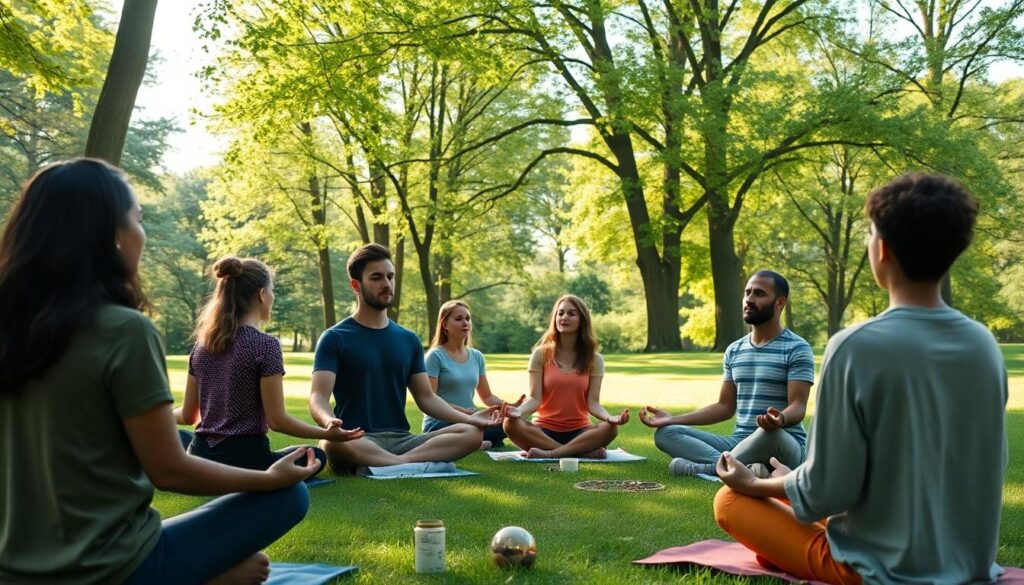
The mindful practice offers numerous benefits that enhance overall health and well-being. Individuals experience significant advantages for both physical and mental health through mindfulness.
Physical Health Benefits
Practicing mindfulness improves physical health by reducing stress levels. Stress contributes to various health issues such as hypertension and heart disease. Regular mindfulness practice can decrease blood pressure and enhance immune function. Individuals may notice improvements in sleep quality, as mindfulness promotes relaxation and the release of tension. Incorporating mindfulness techniques into daily routines also encourages healthier lifestyle choices, including better eating habits and increased physical activity. Research suggests that these changes contribute to long-term physical well-being and vitality.
Mental Health Benefits
Mindfulness significantly impacts mental health, helping to alleviate symptoms of anxiety and depression. Engaging in mindfulness can enhance emotional regulation, leading to more balanced responses to stressors. It encourages individuals to develop a greater awareness of thoughts, enabling them to observe feelings without judgment. This practice fosters resilience, providing tools for coping with difficult emotions. Enhanced focus and concentration are also common outcomes, as mindfulness trains the brain to stay present. Research consistently supports these mental health improvements, emphasizing the transformative effects of mindfulness on emotional well-being.
Techniques For Implementing The Mindful Practice
Mindful practice encompasses various techniques that enhance awareness and presence. By integrating these methods into daily life, individuals can fully embrace the benefits of mindfulness.
Meditation Techniques
Meditation serves as a cornerstone of mindfulness practice. Many forms exist, such as guided meditation and transcendental meditation, which assist individuals in achieving mental clarity. It’s common to set aside 10 to 20 minutes each day for meditation, allowing thoughts to come and go without attachment. Practitioners often find that focusing on the breath enhances concentration. Apps and online resources provide structured sessions, catering to both beginners and experienced practitioners.
Breathing Exercises
Breathing exercises promote relaxation and improve focus. Techniques such as diaphragmatic breathing and 4-7-8 breathing help regulate breath and reduce stress. For instance, inhaling deeply for four counts, holding the breath for seven, and exhaling for eight creates a calming effect. Participants can use these exercises during moments of anxiety or distraction. Engaging in breathing exercises throughout the day fosters a greater sense of grounding and awareness.
Daily Mindfulness Activities
Daily mindfulness activities include simple practices like mindful walking, eating, or even washing dishes. These activities encourage individuals to fully engage with the present moment. When walking, paying attention to each step and the sensations of moving helps cultivate awareness. While eating, savoring each bite and noticing flavors enhances the experience. Incorporating these activities into routines reinforces mindfulness without requiring extensive time commitments. By practicing regularly, individuals nurture a lasting connection to the present.
Challenges In Maintaining The Mindful Practice
Maintaining a mindful practice presents several challenges that individuals encounter. Understanding these challenges aids in navigating the journey toward mindfulness.
Common Obstacles
Time constraints frequently hinder mindfulness practice. Busy schedules can make it difficult to allocate moments for meditation or reflection. Interruptions from technology also distract individuals, pulling focus away from the present moment. Furthermore, unrealistic expectations about meditation progress may arise. Striving for perfection can lead to frustration rather than growth. Lastly, emotional resistance can surface during mindfulness, exposing uncomfortable feelings that people may prefer to avoid.
Overcoming Barriers
Setting realistic goals eases the journey toward consistent mindfulness. Individuals can start with short sessions, gradually increasing duration as comfort grows. Creating designated spaces for mindfulness reduces distractions, encouraging a routine. Engaging support systems can provide motivation and accountability. Additionally, approaching thoughts and feelings without judgment fosters acceptance. Finally, incorporating mindfulness into daily activities, such as eating or walking, makes it easier to practice regularly without feeling pressured.
Mindfulness offers a powerful tool for navigating the complexities of modern life. By embracing the present moment and observing thoughts without judgment, individuals can cultivate a deeper sense of peace and clarity.
Incorporating mindfulness techniques into daily routines not only reduces stress but also enhances overall well-being. The journey toward mindfulness is accessible to everyone and can lead to significant improvements in both mental and physical health.
As individuals commit to this practice, they may discover a newfound appreciation for life’s simple joys, fostering resilience and gratitude. Ultimately, the mindful practice transforms not just moments but entire lifestyles, paving the way for lasting positive change.