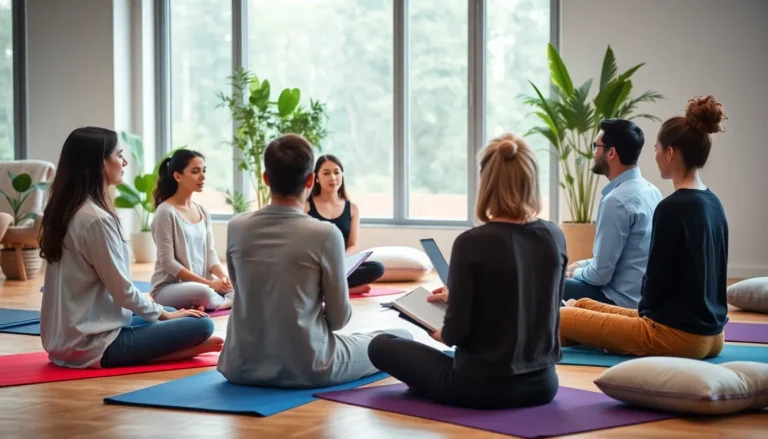
In a world where stress levels rival the height of Mount Everest, yoga and mindfulness are like a refreshing breeze on a scorching day. They offer a sanctuary where the chaos of daily life fades away, leaving behind a sense of peace and clarity. Imagine finding your inner zen while mastering the art of not toppling over in a tree pose—sounds like a win-win, right?
Overview of Yoga and Mindfulness
Yoga and mindfulness work together as holistic practices that enhance overall well-being. These ancient disciplines focus on uniting the mind, body, and spirit, creating a comprehensive approach to health. Yoga incorporates physical postures, breathing exercises, and meditation techniques, promoting physical strength and flexibility. Mindfulness emphasizes awareness of the present moment, fostering a greater understanding of thoughts and emotions.
Practitioners engage in yoga to improve physical health and find inner peace. The integration of breath control in yoga helps reduce stress and anxiety levels. Mindfulness adds another layer by encouraging individuals to observe their thoughts without judgment. Research indicates that these practices lower cortisol levels, contributing to reduced stress-related symptoms.
Both yoga and mindfulness require regular practice for optimal benefits. Many people report improved concentration and emotional balance through consistent engagement. Various styles of yoga, such as Hatha, Vinyasa, and Kundalini, cater to different preferences and fitness levels. Mindfulness can be practiced in various forms, like meditation, body scans, or mindful eating.
Personal experiences often highlight the transformative powers of yoga and mindfulness. Individuals frequently mention increased self-awareness and emotional regulation after integrating these practices into their routines. Resources for learning include classes, books, and online tutorials, allowing anyone to explore these beneficial disciplines.
Yoga and mindfulness offer individuals tools to navigate life’s challenges with grace. They cultivate resilience, enabling practitioners to face stressors in a calm and centered manner. Engaging in these practices leads to a greater sense of peace and clarity, proving essential in today’s fast-paced world.
Benefits of Yoga and Mindfulness
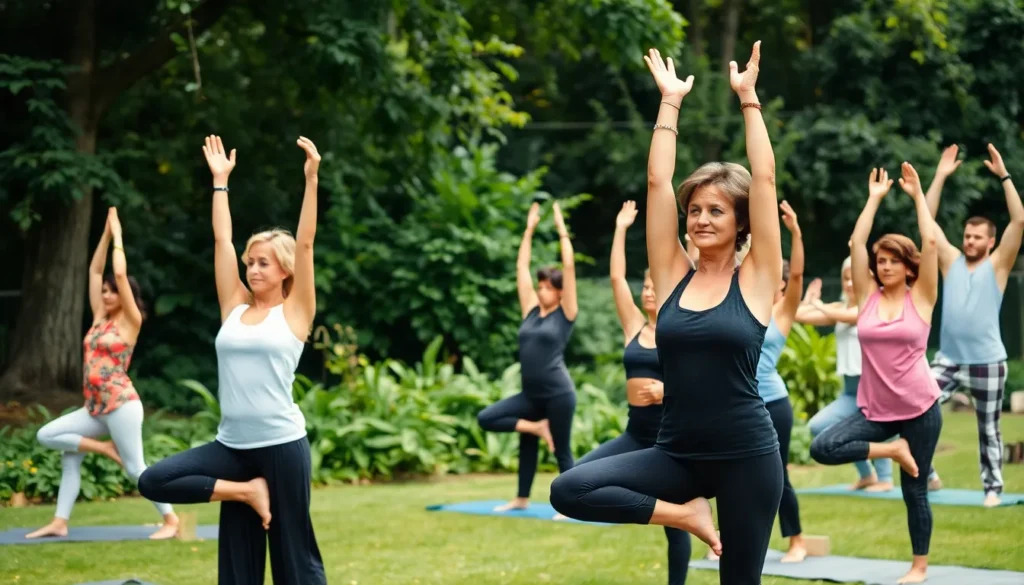
Yoga and mindfulness provide numerous advantages that significantly enhance well-being. These interconnected practices contribute to both physical and mental health benefits.
Physical Benefits
Physical health improves through regular yoga practice. Flexibility increases as various postures stretch muscles, while strength develops via bodyweight resistance. Additionally, balance and posture improve, reducing the risk of injury. Many individuals experience enhanced lung capacity and respiratory function from breathing exercises integral to yoga. Regular participation supports cardiovascular health by lowering blood pressure and improving circulation. Overall, physical vitality flourishes, encouraging an active lifestyle.
Mental Benefits
Mental clarity benefits greatly from engaging in mindfulness and yoga. Enhanced focus emerges as the mind becomes less cluttered, allowing for increased productivity. Anxiety levels often decrease through deep breathing and meditation techniques, providing a calming effect. Emotional resilience develops, equipping individuals to handle stress and challenges effectively. Practitioners frequently report improved mood and reduced symptoms of depression due to the release of endorphins during yoga sessions. Heightened self-awareness leads to a more profound connection with oneself and the surrounding environment.
Different Types of Yoga Practices
Yoga encompasses various styles that cater to diverse needs and preferences. Each practice offers unique benefits, contributing to overall well-being.
Hatha Yoga
Hatha yoga serves as a foundational practice, focusing on basic postures and breathing techniques. This style emphasizes alignment and encourages a gentle introduction to yoga. Beginners often find Hatha yoga accessible due to its slower pace and emphasis on relaxation. Physical benefits include improved flexibility and strength. Mental clarity enhances with each session, as practitioners learn to control breath alongside movement.
Vinyasa Yoga
Vinyasa yoga emphasizes flowing sequences that connect breath with movement. This dynamic style offers a rhythmic experience, making practice engaging and invigorating. Every transition between poses provides a unique challenge, building strength and endurance. Those seeking a more vigorous workout appreciate Vinyasa’s cardio benefits. The continuous movement enhances focus, fostering a meditative state that promotes mindfulness.
Restorative Yoga
Restorative yoga prioritizes relaxation through gentle stretches and the use of props. This practice creates a sanctuary for stress relief, allowing the body to unwind deeply. Each pose holds for extended periods, encouraging full relaxation and letting go of tension. Practitioners benefit from improved sleep and decreased anxiety levels. This style fosters mental peace, making it a valuable complement to more active forms of yoga.
Incorporating Mindfulness into Yoga
Integrating mindfulness into yoga enhances the overall experience, creating a powerful practice for stress management and self-awareness.
Mindful Breathing Techniques
Breathing techniques serve as cornerstone practices in yoga and mindfulness. Practitioners focus on deep, intentional breaths, promoting relaxation and awareness. The diaphragm plays a key role, facilitating better oxygen exchange and reducing tension. Techniques such as diaphragmatic breathing encourage sustained focus and calmness. Those engaging with these methods often report reduced anxiety and a greater sense of peace. Regular practice builds resilience, helping individuals respond thoughtfully to daily challenges and stresses.
Meditation in Yoga Practice
Meditation complements yoga by deepening self-awareness and concentration. Practitioners often incorporate meditation into their routines, enhancing the connection between mind and body. Common practices include guided visualization and mantra meditation, which improve focus and presence. Allocating time for meditation during yoga sessions can lead to emotional balance and clarity of thought. Regularly including meditation cultivates a more fulfilling practice, enabling individuals to uncover insights about themselves and their surroundings. These combined practices foster mental clarity and a deeper sense of inner calm.
Yoga and Mindfulness in Daily Life
Incorporating yoga and mindfulness into daily routines enhances overall well-being. Practitioners can start each day with a short yoga sequence to promote flexibility and focus. Breath awareness techniques foster present-moment awareness and help reduce stress throughout the day.
Mindfulness can be integrated during daily activities. Engaging in mindful eating allows individuals to appreciate food and recognize hunger cues. Thus, combining awareness with everyday tasks promotes a deeper connection to experience.
Stressful moments become more manageable through specific mindfulness practices. Practicing mindful breathing for a few minutes can soothe anxiety and restore calm. Regularly practicing these techniques leads to improved emotional resilience.
Yoga’s physical postures also offer immense benefits in daily life. Enhancing posture not only fosters physical health but also boosts confidence during social interactions. Additionally, improved strength and balance can prevent injuries during routine activities.
The combination of yoga and mindfulness cultivates mental clarity and emotional balance. Many individuals report enhanced concentration and reduced distractions when they incorporate these practices. By prioritizing these techniques, they experience improved mood and self-awareness.
Creating a dedicated time for yoga and mindfulness fosters a consistent practice. Setting aside a specific time each day can strengthen commitment and development. Over time, personal experiences reinforce the transformative impact these disciplines have on navigating life’s challenges.
Ultimately, integrating yoga and mindfulness into everyday life fosters a profound sense of peace and clarity. Regular practice significantly enhances mental health, contributing to overall life satisfaction.
Embracing yoga and mindfulness can profoundly transform one’s approach to stress and daily challenges. These practices not only promote physical health but also enhance emotional resilience and mental clarity. By cultivating a consistent routine of yoga and mindfulness, individuals can unlock a deeper sense of peace and well-being.
The journey towards inner tranquility may come with its challenges but the rewards are invaluable. As practitioners navigate their paths through various styles and techniques, they’ll discover the unique benefits that resonate with their lives. Ultimately, integrating these holistic practices into everyday routines can lead to a more balanced and fulfilling existence.