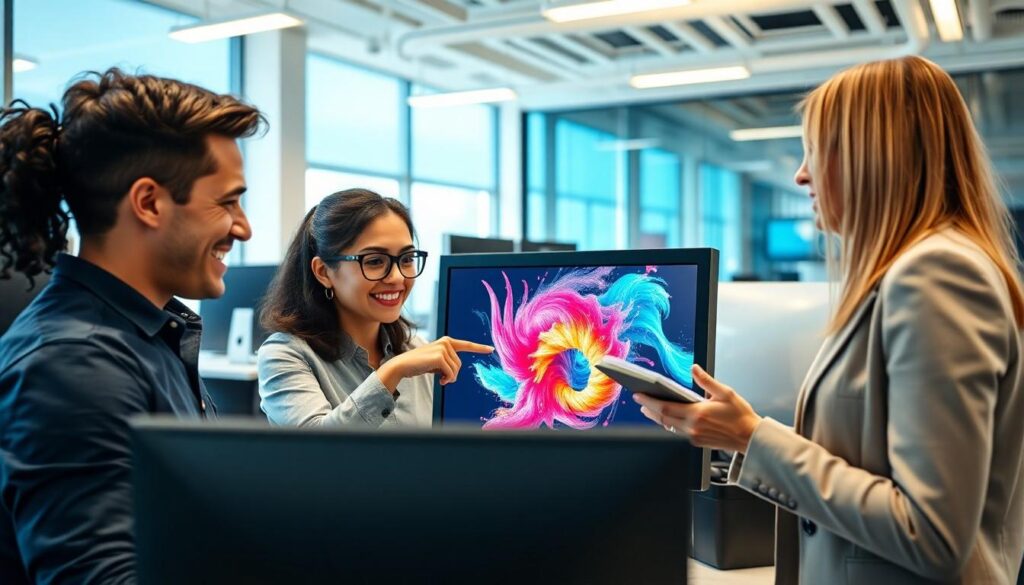

Imagine a world where words leap off the page and transform into vibrant images, all thanks to a clever little tool called ChatGPT. It’s like having a digital Picasso at your fingertips, ready to turn your wildest ideas into stunning visuals. But how does this magic happen?
Understanding ChatGPT and Image Generation
ChatGPT serves as a transformative tool that turns written content into striking visual representations. This section explores how it operates and its significance in today’s digital landscape.
Overview of ChatGPT
ChatGPT utilizes advanced natural language processing techniques. Developed by OpenAI, it generates coherent responses based on input text. The architecture comprises deep learning models capable of understanding context and intent. Users interact with ChatGPT, providing prompts that spark creativity and detailed imagery. Resulting outputs can provide a blend of textual nuance and imaginative visual cues, allowing for rich storytelling. Its application expands beyond text, offering a foundation for combining narrative elements with visual artistry.
Importance of Image Generation
Image generation holds vital importance in effective communication. Visual content enhances engagement, making information more accessible. Audiences retain information better when paired with imagery, leading to improved understanding. Businesses leverage this technology to create compelling marketing materials. Artists and designers benefit from automated creative processes that streamline workflow. Ultimately, generating images based on text contributes to a more immersive and dynamic user experience, bridging gaps between imagination and reality.
How Can ChatGPT Generate Images?

ChatGPT can transform textual descriptions into visual representations, leveraging advanced technology and creativity. This capability serves various applications in art, marketing, and storytelling.
The Technology Behind Image Generation
Artificial intelligence drives the image generation process by interpreting language and creating visuals. OpenAI’s sophisticated neural networks analyze input prompts, understanding nuances and context. These systems integrate natural language processing and computer vision, allowing for versatile image creation. Algorithms generate images based on style or content specifications provided by users. Flexibility enables them to adapt to a range of artistic styles or visual themes effectively. The connection between text and image emerges from detailed neural representations, making this technology groundbreaking.
Examples of Image Generation Capabilities
Numerous applications showcase ChatGPT’s image generation skills. Users can input prompts detailing scenes or characters, and it generates corresponding visuals. For example, a prompt describing a serene landscape results in a picturesque image featuring mountains and rivers. In marketing, AI creates promotional graphics tailored to brand aesthetics. Artists find inspiration through ChatGPT, as it produces draft visuals to develop further. The versatility extends to creating illustrations, infographics, and conceptual art by blending imagination with detail, enhancing creativity across fields.
Applications of Image Generation with ChatGPT
ChatGPT enables revolutionary applications in image generation, enhancing creativity and productivity. Various sectors benefit from its capabilities, including creative design and content creation.
Creative Design
Creative professionals utilize ChatGPT for generating unique visuals. Graphic designers and artists rely on its ability to translate ideas into compelling images. Unique prompts spark inspiration, allowing artists to visualize concepts without extensive manual illustrations. Promotional materials receive a dynamic touch when ChatGPT produces graphics tailored to aesthetic values. With its advanced algorithms, it generates variations that enhance design processes, simplifying the workflow for creative teams.
Content Creation
Content creators leverage ChatGPT for dynamic image generation. Accurate visuals complement written content, capturing audience attention. Bloggers enhance storytelling through images that resonate with their audience’s experience. Additionally, educators apply visuals to support teaching materials, making lessons more engaging. Image generation enhances marketing campaigns, aligning visuals with branding goals. By utilizing ChatGPT, users enrich content quality, resulting in improved engagement rates and a more immersive experience.
Limitations and Challenges
While ChatGPT can generate impressive visuals, it faces certain limitations and challenges that impact its effectiveness.
Accuracy of Generated Images
Accuracy of generated images often varies based on prompt clarity. Complex requests may lead to unexpected outputs due to nuances in language interpretation. For instance, a vague description can result in visuals that diverge from a user’s intent. Additionally, inherent biases from training data can affect outcomes, leading to misrepresentation of subjects or concepts. Users should provide detailed instructions to enhance image fidelity. Despite advancements in technology, achieving perfect representation remains a challenge, emphasizing the importance of precise language for optimal results.
Ethical Considerations
Ethical considerations play a crucial role in the use of AI-generated images. Challenges arise concerning copyright and ownership of created visuals. Users must navigate the legal landscape related to image reproduction and usage rights. Misuse of AI technology can lead to the generation of misleading or harmful content, raising concerns about the potential for misinformation. Furthermore, the implications of automating creative processes can impact job opportunities for artists and designers. Addressing these ethical dilemmas requires users to engage with AI responsibly, ensuring that creativity and originality remain central to visual content creation.
ChatGPT’s ability to generate images from text prompts showcases the remarkable intersection of language and visual creativity. This technology not only streamlines the creative process for professionals but also opens new avenues for storytelling and marketing. By transforming ideas into compelling visuals, it enhances engagement and enriches communication across various fields.
While users must navigate certain limitations and ethical considerations, the potential for innovation remains vast. Embracing this technology can lead to unique artistic expressions and more effective content creation, making it an invaluable tool in today’s digital landscape.