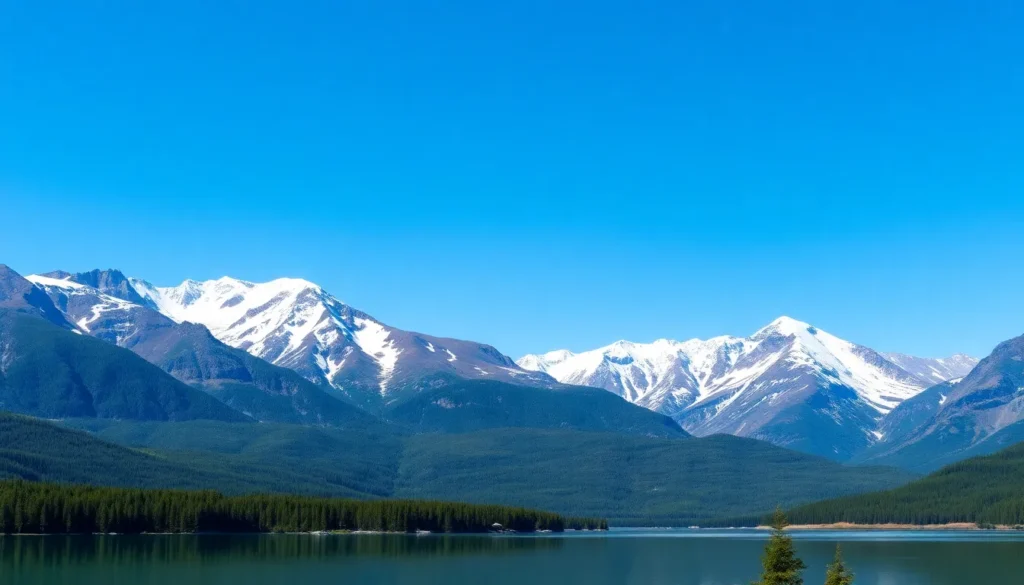

Alaska, the largest state in the U.S., boasts a vast and diverse landscape that captivates nature lovers and adventurers alike. Stretching over immense distances, it offers everything from towering mountains to sprawling forests. But just how big is this remarkable state?
With its staggering size, Alaska often surprises those unfamiliar with its geography. Covering approximately 663,300 square miles, it’s larger than the combined total of the next three biggest states—Texas, California, and Montana. Understanding Alaska’s size not only highlights its natural beauty but also emphasizes its unique role in the American landscape.
Overview of Alaska’s Size
Alaska spans approximately 663,300 square miles, making it the largest state in the United States. This enormous area represents about 18.5% of the total landmass of the U.S. To provide perspective, Alaska’s size is greater than the combined areas of Texas, California, and Montana, which total roughly 663,300 square miles.
The state features diverse landscapes, including mountains, forests, and tundra, which contribute to its vastness. Alaska’s north-south distance measures over 1,400 miles, while its east-west span covers around 2,700 miles, showcasing its extensive geographical diversity.
Alaska’s size also includes numerous islands, with the Aleutian Islands alone encompassing over 1,000 miles, further increasing the state’s overall land area. This size and diversity play a crucial role in its unique ecosystems and rich wildlife, appealing to adventurers and nature enthusiasts.
Geographic Features of Alaska
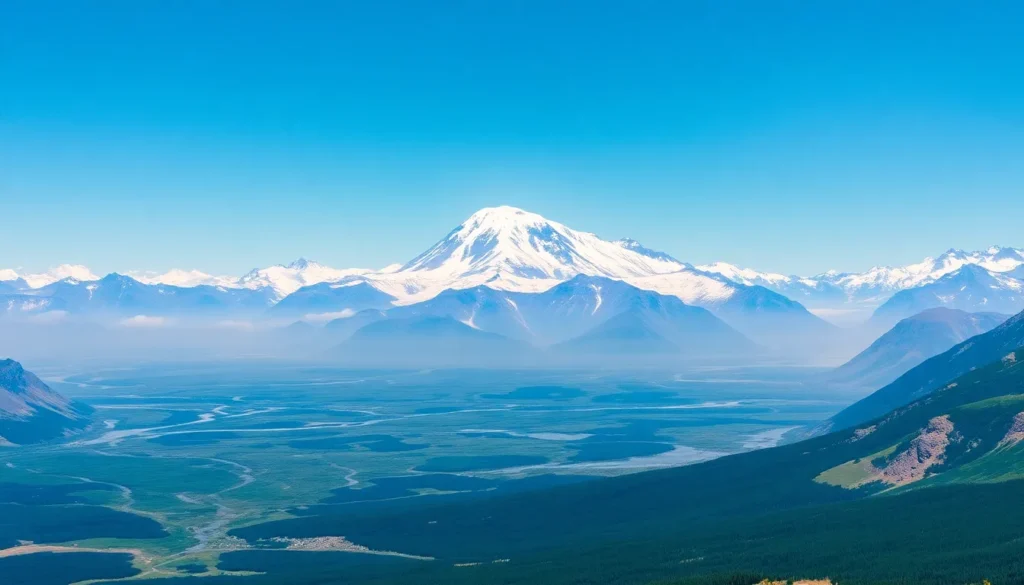
Alaska’s geographic features showcase its remarkable natural beauty and extensive biodiversity. The state hosts impressive mountain ranges and extensive bodies of water that contribute to its ecological significance.
Mountain Ranges
Alaska contains several prominent mountain ranges, with the Alaska Range as the most notable. This range includes Denali, the highest peak in North America at 20,310 feet. The Coast Mountains, which border Alaska’s southeastern coastline, feature rugged terrain and stunning glaciers. The Brooks Range, stretching across northern Alaska, forms a natural barrier and offers unique habitats for wildlife. Each mountain range contributes to the state’s diverse ecosystems, attracting hikers and climbers from around the world.
Bodies of Water
Alaska features numerous bodies of water, enhancing its stunning landscapes. The state has over 3 million lakes, with Lake Iliamna being the largest at approximately 1,000 square miles. The Yukon River, spanning 1,980 miles, is the longest river in Alaska, supporting various wildlife and offering recreational opportunities. Additionally, the state possesses extensive coastal waters, including the Bering Sea and the Gulf of Alaska, which play critical roles in marine ecosystems. Glacial rivers and fjords also contribute to Alaska’s rich biodiversity, supporting species like salmon and seals.
Historical Context of Alaska’s Land Area
Alaska’s land area has undergone significant changes throughout its history. Originally inhabited by Indigenous peoples, the area’s vastness played a crucial role in their lifestyles and cultural practices. Their knowledge of the land’s various ecosystems shaped their sustainability efforts long before recorded history.
In 1867, the U.S. acquired Alaska from Russia for $7.2 million, an event known as “Seward’s Folly.” At that time, its land area was less understood, often perceived as barren and unproductive. The purchase’s motivations included strategic military positioning and resource acquisition, with an initial focus on fishing and fur trade.
Twentieth-century exploration and statehood in 1959 revealed Alaska’s wealth of natural resources. Discovery of oil in the North Slope in the 1960s transitioned Alaska’s economic landscape and further highlighted its expansive land. Today, Alaska is known not only for its enormous size—approximately 663,300 square miles—but also for its mineral, forestry, and fisheries resources, contributing to its economic significance within the U.S.
Alaska’s immense size contributes to ongoing debates about land management and conservation. Development pressures encourage discussions around preserving its diverse ecosystems while balancing economic growth. Historical context reveals how Alaska evolved from a remote, underappreciated territory to a vital state pivotal to U.S. geography and natural resource strategy.
Comparison with Other States
Alaska’s vast size makes it a standout state when compared to others in the U.S. Understanding its area relative to other states reveals its impressive dimensions.
Largest States in the U.S.
Alaska ranks first among U.S. states with an area of approximately 663,300 square miles. Texas, the second-largest state, covers about 268,600 square miles, meaning Alaska is nearly 2.5 times larger. California, the third-largest state, spans roughly 163,700 square miles, and Montana, fourth in size, covers around 147,000 square miles. The table below illustrates the size of the largest states:
| State | Area (Square Miles) |
|---|---|
| Alaska | 663,300 |
| Texas | 268,600 |
| California | 163,700 |
| Montana | 147,000 |
Global Comparisons
Globally, Alaska’s size places it among some of the world’s largest countries. If Alaska were a country, it would rank as the 18th largest, larger than nations like Iran and Mongolia. For context, the country with the largest area, Russia, spans approximately 6.6 million square miles, making it 10 times bigger than Alaska, while Canada ranks second at about 3.8 million square miles. This comparison highlights Alaska’s significance on a global scale, emphasizing its unique attributes as part of the United States.
Alaska’s immense size and diverse landscapes make it a remarkable state within the U.S. Its vast area of approximately 663,300 square miles offers endless opportunities for exploration and adventure. From towering mountains to sprawling forests and pristine coastlines, Alaska’s natural beauty captivates those who venture into its wild terrain.
Understanding its geographical significance enriches one’s appreciation for this unique state. As Alaska continues to balance economic development with conservation efforts, its ecological importance remains a focal point for both residents and visitors alike. The state’s size and resources contribute to its identity, ensuring that Alaska stands out not just in the U.S. but on the global stage.