


Anxiety can feel like a relentless hamster wheel, spinning faster and faster while you’re just trying to catch your breath. But what if there’s a way to step off that wheel and find some peace? Enter mindfulness, the superhero of mental wellness, ready to save the day without a cape or a dramatic theme song.
Mindfulness isn’t just a buzzword tossed around in yoga classes; it’s a powerful tool that helps people tackle anxiety head-on. By focusing on the present moment, individuals can learn to navigate their thoughts and feelings without getting swept away in the chaos. In this article, we’ll explore how embracing mindfulness can transform anxiety from a pesky companion into an occasional visitor—one that can be managed with grace and a sprinkle of humor.
Understanding Mindfulness
Mindfulness represents a focused awareness on the present. This practice encourages individuals to engage fully with their thoughts and feelings, creating a space for acceptance and observation without judgment.
Definition of Mindfulness
Mindfulness involves paying attention to the current moment intentionally. It encompasses embracing thoughts, emotions, and sensations as they arise. This presence enhances one’s ability to respond thoughtfully rather than react impulsively. Mindfulness techniques include breathing exercises, meditation, and mindful movement. These practices cultivate a heightened awareness, reducing the grip of anxiety.
Historical Context
Mindfulness traces its origins to ancient contemplative practices. Buddhist teachings from over 2,500 years ago emphasized meditation as a means to achieve enlightenment. Within this context, mindfulness served as a key practice for developing insight and compassion. Over the years, Western psychology adopted these principles, applying them to mental health treatment. By integrating mindfulness into therapy, practitioners found effective methods for alleviating anxiety and stress, making it a vital component of modern wellness strategies.
The Connection Between Mindfulness and Anxiety
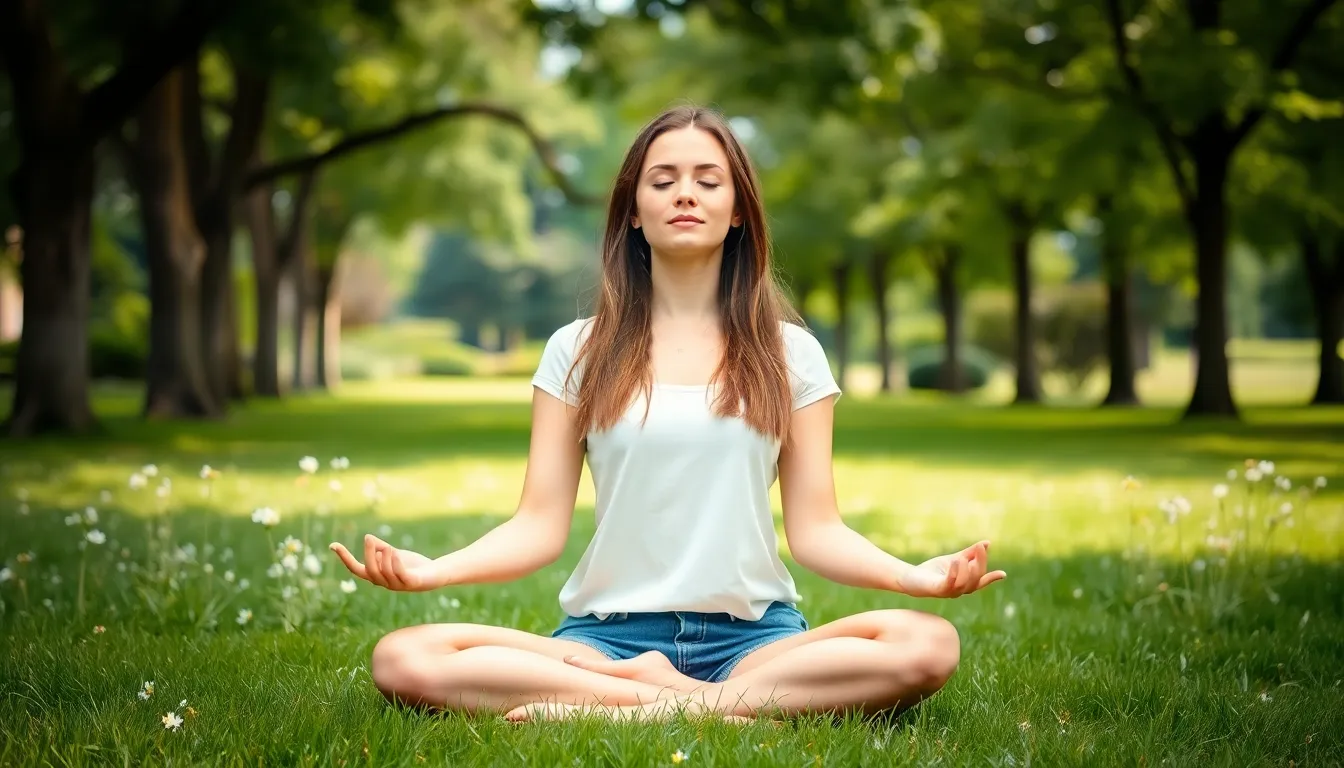
Mindfulness plays a significant role in managing anxiety. By focusing on the present, individuals can disrupt the cycle of anxious thoughts and cultivate a sense of calm.
How Mindfulness Affects the Brain
Neuroscientific research indicates mindfulness practice leads to structural changes in the brain. Specifically, grey matter increases in areas responsible for emotional regulation. Studies show decreased activity in the amygdala, which is involved in fear responses. This reduction can result in a lower sense of anxiety. Practicing mindfulness regularly enhances connectivity between brain regions associated with self-awareness, leading to improved emotional control. Each mindful moment creates a pause that allows individuals to respond rather than react, fostering resilience against anxiety.
Scientific Studies on Mindfulness and Anxiety Relief
Numerous studies demonstrate mindfulness as an effective anxiety relief method. A meta-analysis published in JAMA Internal Medicine analyzed 47 studies with over 3,500 participants. Results showed marked reductions in anxiety symptoms among those practicing mindfulness techniques. Additional research from Harvard University indicated significant changes in brain activity among mindfulness practitioners. Findings revealed noticeable decreases in stress-related symptoms, promoting overall well-being. These studies highlight the importance of consistent mindfulness practice in managing anxiety effectively and affirm its incorporation into wellness programs.
Mindfulness Techniques for Managing Anxiety
Mindfulness techniques play a vital role in effectively managing anxiety. These practices focus on present-moment awareness, leading to enhanced emotional regulation.
Breathing Exercises
Breathing exercises provide immediate relief during anxious moments. Techniques such as diaphragmatic breathing involve inhaling deeply through the nose, expanding the abdomen, and exhaling slowly through the mouth. This method lowers heart rate and reduces tension. Practicing the 4-7-8 technique can also help: inhale for four seconds, hold for seven, and exhale for eight. Regular engagement in these exercises cultivates resilience against anxiety triggers.
Body Scan Meditation
Body scan meditation promotes awareness of physical sensations, fostering a sense of grounding. Participants lie down comfortably and focus on each body part, starting from the toes and moving up to the head. Noticing tension and releasing it encourages relaxation. This meditation technique increases connection between mind and body, allowing individuals to observe discomfort without jumping to conclusions or reactions. Practicing the body scan regularly cultivates a deeper sense of calm and control.
Mindful Journaling
Mindful journaling offers a structured approach to processing thoughts and emotions. Writers reflect on their experiences without judgment, allowing feelings to surface naturally. Setting aside time to write daily enhances self-awareness and clarity. Additionally, prompt-based journaling can be beneficial, with questions addressing specific anxieties or emotions. Engaging in this practice regularly supports personal growth and emotional resilience.
Challenges in Practicing Mindfulness
Practicing mindfulness can pose several challenges that may hinder its effectiveness for anxiety management.
Common Obstacles
Distractions frequently disrupt the practice of mindfulness. External noises or busy environments can lead to difficulties in maintaining focus. Additionally, negative thoughts often arise, making it hard to observe feelings without judgment. Individuals might also struggle with time constraints, feeling they lack sufficient time to dedicate to mindfulness exercises. Resistance can occur when individuals perceive mindfulness as daunting or complex. Physical discomfort may arise during practices, further detracting from the experience.
Strategies to Overcome Challenges
Creating a dedicated space for mindfulness promotes focus. Choosing a quiet and comfortable area encourages individuals to engage fully. Setting aside specific times daily helps establish a consistent routine. Starting small with brief meditation sessions allows for gradual adjustment to the practice. Utilizing guided meditations can provide structure and alleviate feelings of uncertainty. Incorporating gentle physical activity, such as yoga, enhances awareness while minimizing discomfort. Practicing self-compassion emphasizes acceptance, making mindfulness feel less intimidating.
Mindfulness offers a transformative approach to managing anxiety. By fostering present-moment awareness individuals can shift their relationship with anxiety from overwhelming to manageable. Regular practice of mindfulness techniques not only enhances emotional regulation but also promotes resilience against anxiety triggers.
While challenges may arise in maintaining a consistent practice it’s essential to approach mindfulness with patience and self-compassion. Creating a supportive environment and incorporating simple techniques can make a significant difference. Ultimately embracing mindfulness can lead to a more peaceful and balanced life, allowing individuals to navigate their anxiety with grace and humor.


