


When it comes to fitness, most folks think of biceps and abs, but what about that often-overlooked hero down south? Yes, we’re talking about the pelvic floor! These muscles might not get the spotlight they deserve, but they play a crucial role in everything from bladder control to sexual health.
Imagine your pelvic floor as the unsung hero of your body’s support system. It’s like the trusty sidekick that keeps everything in place, yet rarely gets a thank-you. By incorporating pelvic floor exercises into your routine, you can boost your strength, confidence, and even your overall well-being. So why not give those muscles a workout? After all, who wouldn’t want to flex their way to a happier, healthier bottom line?
Overview of Pelvic Floor Exercises
Pelvic floor exercises, often known as Kegel exercises, strengthen the muscles that support the bladder, uterus, and rectum. Focusing on these muscles enhances pelvic stability, aiding in bladder control and improved sexual function. Men and women alike can benefit from targeted training of this area, promoting better overall health.
Strengthening the pelvic floor involves various techniques, including contraction and relaxation of the muscles. Practicing these exercises regularly can lead to significant improvements, such as reduced urinary incontinence and enhanced sexual satisfaction. Many individuals find that committing to a routine aids in building muscle strength and endurance in the pelvic area.
Incorporating pelvic floor exercises into daily routines requires minimal time and no special equipment. For instance, individuals can practice these exercises while seated, standing, or lying down. Consistency plays a vital role in achieving optimal results, so developing a schedule is essential.
Specific exercises can target different muscle groups. For example, slow Kegels focus on holding contractions for several seconds, while quick Kegels emphasize rapid contractions. Both contribute to overall pelvic health and strength.
Research indicates that women who perform pelvic floor exercises experience fewer complications during childbirth and better recovery postpartum. Evidence shows that men can also see benefits, such as improved erectile function and reduced risk of prostate issues. Ultimately, everyone can prioritize their pelvic health by integrating these exercises into their wellness routines.
Benefits of Pelvic Floor Exercises
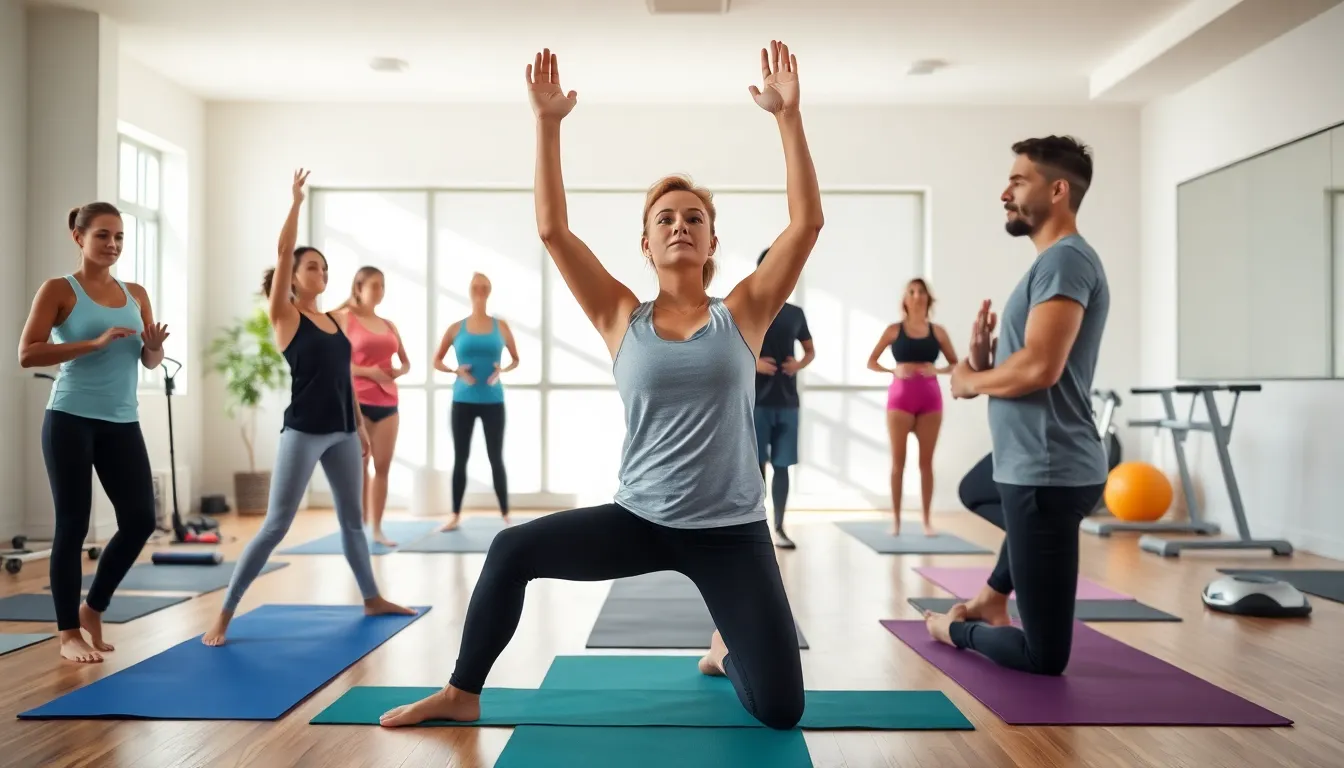
Pelvic floor exercises deliver significant health benefits. They improve various aspects of physical well-being, including bladder control, sexual function, and support during pregnancy and postpartum.
Improved Bladder Control
Enhanced bladder control serves as one of the most notable benefits of pelvic floor exercises. Strengthening these muscles reduces instances of urinary incontinence, which affects millions of individuals. Studies show that consistent practice, like performing Kegel exercises, can decrease urgency and frequency of urination. Additionally, strengthened pelvic muscles contribute to better support for the bladder, increasing overall stability.
Enhanced Sexual Function
Increased sexual function often results from regular pelvic floor exercises. These workouts lead to better blood flow and muscle tone, promoting heightened sexual arousal and satisfaction. Both men and women experience this boost, with evidence indicating that men may see improvements in erectile function. Women also report enhanced vaginal sensations, enjoying a more fulfilling sexual experience. Practicing pelvic floor exercises fosters a stronger connection between physical health and sexual wellness.
Support During Pregnancy and Postpartum
Pelvic floor exercises offer crucial support during pregnancy and postpartum recovery. Strengthening these muscles helps prepare the body for childbirth, potentially minimizing complications. Research indicates women performing pelvic floor exercises face fewer childbirth-related issues, contributing to smoother labor experiences. Postpartum, these exercises assist in recovery by strengthening the pelvic floor, aiding in regaining lost muscle tone and enhancing bladder control. Regular practice can significantly improve comfort and confidence during the postpartum phase.
Types of Pelvic Floor Exercises
Pelvic floor exercises come in various forms, each targeting different muscle groups for optimal health benefits. These exercises improve strength, support bodily functions, and enhance overall wellness.
Kegel Exercises
Kegel exercises specifically focus on strengthening the pelvic floor muscles. To perform these, individuals squeeze the muscles used to stop urination for a few seconds, followed by a relaxation period. Regular practice can lead to improved bladder control and enhanced sexual function. Incorporating Kegels into daily routines takes minimal time, making them accessible for most. Research shows that consistent engagement leads to significant benefits, including reduced urinary incontinence and overall pelvic stability.
Bridge Pose
Bridge pose is not only a yoga staple but also an effective pelvic floor exercise. While lying on the back with knees bent and feet flat, individuals lift their hips towards the ceiling. This move activates various muscle groups, including the glutes and lower back. Engaging the pelvic floor during the pose maximizes its benefits. Practicing bridge pose improves core strength and enhances pelvic stability, which is crucial for overall health. People often find that this simple exercise contributes to better posture and flexibility.
Squats
Squats serve multiple purposes and strengthen the pelvic floor as well. To execute a basic squat, individuals stand with feet shoulder-width apart, lower their hips back, and keep the chest up. Focusing on tightening pelvic floor muscles during the movement enhances its effectiveness. Regular squatting can improve muscle tone and promote better blood circulation. Incorporating squats into fitness routines supports not just pelvic health but also overall strength. Effective squatting can also help prevent injuries in daily activities.
How to Perform Pelvic Floor Exercises Correctly
Performing pelvic floor exercises correctly ensures maximum benefits. Proper technique helps in strengthening the pelvic floor muscles effectively.
Identifying the Right Muscles
To locate the pelvic floor muscles, one can try stopping the flow of urine midstream. This action engages the correct muscles. Feeling a lift when squeezing indicates activation of the pelvic floor. Avoid using abdominal or thigh muscles during this exercise. Focus solely on the pelvic region to isolate the muscles effectively. Practicing this identification in various positions, like lying down or sitting, helps reinforce correct muscle engagement.
Recommended Repetitions and Duration
Aim for a routine of 10 to 15 repetitions per session. Each contraction should last about 3 to 5 seconds, followed by a resting period of the same duration. Engaging in these exercises three times a week fosters gradual strength improvements. Consistency is vital for achieving noticeable results. Gradually increasing the duration of contractions can enhance muscle endurance. Integrating these exercises into daily activities promotes seamless incorporation into routines.
Embracing pelvic floor exercises can lead to significant improvements in health and well-being. By dedicating just a few minutes each day to strengthen these essential muscles, individuals can experience enhanced bladder control and increased sexual satisfaction.
The simplicity and effectiveness of exercises like Kegels, bridge poses, and squats make them accessible to everyone. Prioritizing pelvic health not only supports bodily functions but also boosts confidence and overall quality of life.
With consistency and proper technique, the benefits of these exercises can be profound. It’s time to recognize the importance of the pelvic floor and integrate these exercises into daily routines for lasting health benefits.


