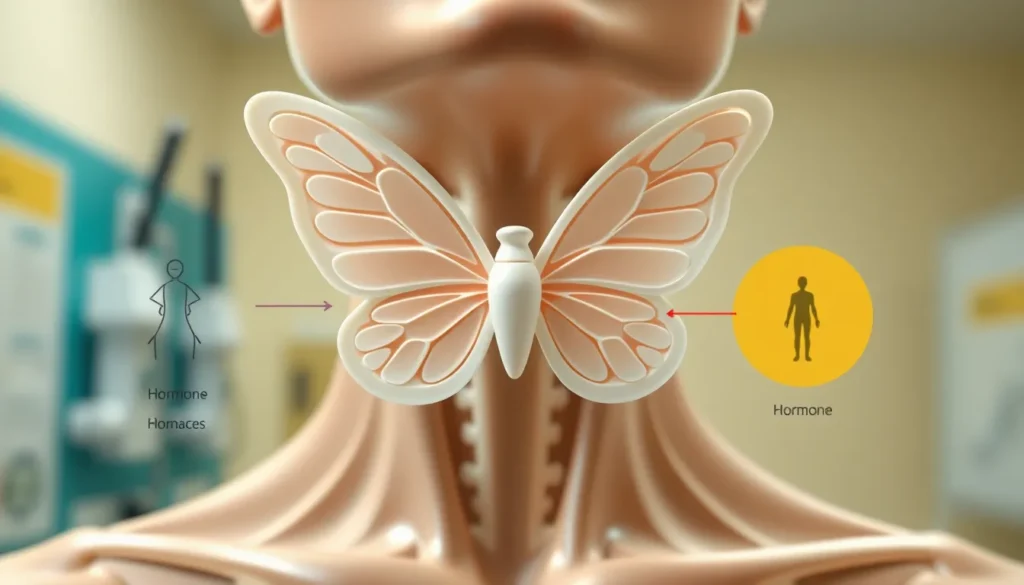

The thyroid might be a small butterfly-shaped gland, but it wields a mighty influence over the body’s metabolism, energy levels, and even mood. When things go awry in this tiny powerhouse, it can lead to a range of thyroid disorders that leave folks feeling like they’re on a rollercoaster ride—one minute they’re full of energy, and the next, they’re ready for a nap.
Understanding thyroid disorders is essential for anyone who’s ever felt like their body’s gone rogue. From hypothyroidism to hyperthyroidism, these conditions can turn everyday life into a puzzling challenge. But fear not! With the right knowledge and a sprinkle of humor, navigating the complexities of thyroid health can become a breeze. Let’s dive into the world of thyroid disorders and uncover what’s really going on beneath the surface.
Overview of Thyroid Disorders
Thyroid disorders encompass various conditions affecting the thyroid gland’s function. These conditions include hypothyroidism and hyperthyroidism, which significantly impact body processes. Hypothyroidism arises when the thyroid produces insufficient hormones, leading to symptoms like fatigue, weight gain, and depression. In contrast, hyperthyroidism occurs when excessive thyroid hormones are generated, resulting in weight loss, increased heart rate, and anxiety.
Symptoms of thyroid disorders can disrupt daily activities. Individuals often experience fluctuations in energy levels, mood, and overall well-being. Maintaining balance in thyroid hormone production is vital for optimal health. The thyroid gland regulates metabolism, influencing how the body converts food into energy. Disruptions can cause additional medical complications if left untreated.
Diagnosis of thyroid disorders typically involves blood tests measuring hormone levels, such as TSH, T3, and T4. Additional imaging tests may be necessary to evaluate the gland’s structure. Treatments vary based on the specific disorder. Hypothyroidism often requires hormone replacement therapy, while hyperthyroidism might be managed through medications, radioactive iodine, or surgery.
Understanding these conditions can help individuals make informed decisions about their health. Lifestyle modifications, including diet and exercise, may complement medical treatments. Regular monitoring and follow-ups with healthcare professionals ensure effective management of thyroid disorders. Awareness of symptoms and risks contributes to better management and improved quality of life.
Common Types of Thyroid Disorders

Thyroid disorders primarily include hypothyroidism and hyperthyroidism. Both conditions significantly impact a person’s health.
Hypothyroidism
Hypothyroidism occurs when the thyroid gland does not produce enough hormones. Symptoms include fatigue, weight gain, and sensitivity to cold. Individuals may also experience depression and dry skin. This condition often results from autoimmune diseases like Hashimoto’s thyroiditis. Diagnosis typically involves blood tests to check hormone levels. Treatment usually focuses on hormone replacement therapy to restore balance.
Hyperthyroidism
Hyperthyroidism involves excessive hormone production from the thyroid. Signs of this condition include weight loss, increased heart rate, and anxiety. People may also experience difficulty sleeping and irritability. Common causes include Graves’ disease and thyroid nodules. Diagnosing hyperthyroidism includes measuring hormone levels through blood tests. Treatment options generally involve medications to reduce hormone production or radioactive iodine therapy.
Causes and Risk Factors
Thyroid disorders result from various causes and risk factors. Understanding these elements helps in recognizing and managing these conditions effectively.
Genetic Factors
Genetic predisposition plays a significant role in thyroid disorders. A family history of autoimmune diseases increases the likelihood of developing conditions like Hashimoto’s thyroiditis or Graves’ disease. Certain genes linked to immune function may influence thyroid health. Specific mutations can alter thyroid hormone production or regulation, making individuals more susceptible to imbalances. Studies indicate that first-degree relatives of affected individuals face a higher risk of thyroid dysfunction.
Environmental Influences
Environmental factors contribute to the development of thyroid issues. Exposure to certain pollutants, such as pesticides and heavy metals, often correlates with thyroid dysfunction. Iodine deficiency remains a prevalent issue in areas where dietary intake is insufficient. Conversely, excessive iodine intake can also lead to thyroid disorders. Additionally, radiation exposure, particularly from prior cancer treatments, increases risk for thyroid dysfunction. Lifestyle factors like stress, diet, and inactivity further impact thyroid health, highlighting the intricate relationship between environment and thyroid well-being.
Symptoms and Diagnosis
Recognizing symptoms is crucial for diagnosing thyroid disorders. Patients often experience various signs that may indicate underlying conditions.
Common Symptoms
Fatigue frequently surfaces in those with hypothyroidism. Individuals may also notice weight gain despite unchanged eating habits. Cold intolerance remains another common complaint. In contrast, hyperthyroidism brings about different issues. Weight loss can occur without increased physical activity. Increased heart rate and anxiety are typical as well. Mood swings often accompany these symptoms, leaving individuals feeling off balance. Changes in appetite can vary widely, further complicating the identification of issues. Recognizing these symptoms allows for timely intervention and management.
Diagnostic Tests
Blood tests remain the primary method for diagnosing thyroid disorders. These tests assess levels of Thyroid Stimulating Hormone (TSH) and thyroid hormones, including T3 and T4. Elevated levels of TSH typically indicate hypothyroidism, while low TSH levels suggest hyperthyroidism. Healthcare providers may also perform antibody tests to check for autoimmune diseases like Hashimoto’s thyroiditis or Graves’ disease. Ultrasounds of the thyroid can provide imaging to identify nodules or structural issues. Regular monitoring of thyroid function is essential for ongoing health management and treatment adjustments.
Treatment Options
Managing thyroid disorders involves various treatment options tailored to individual needs. Each approach targets specific aspects of thyroid health, focusing on restoring hormone balance and alleviating symptoms.
Medications
Medications play a crucial role in managing thyroid disorders. For hypothyroidism, levothyroxine serves as the most common treatment, supplying the body with synthetic thyroid hormone T4. Regular adjustment of dosage ensures hormone levels remain stable. In contrast, hyperthyroidism may require antithyroid drugs like methimazole to inhibit hormone production. Beta-blockers can also alleviate some symptoms, such as rapid heart rate. Close monitoring and periodic blood tests help identify the effectiveness of these medications. This proactive approach enables timely adjustments for optimal management.
Lifestyle Changes
Lifestyle changes significantly improve quality of life for those with thyroid disorders. Incorporating a balanced diet rich in whole foods can support thyroid function. Foods high in iodine, selenium, and zinc promote healthy hormone production. Regular exercise enhances energy levels and maintains a healthy weight. Stress management techniques, such as yoga and meditation, benefit overall well-being. Consistent sleep patterns contribute to hormonal balance and reduce fatigue associated with thyroid issues. Engaging in routine check-ups ensures ongoing assessment and encourages positive lifestyle habits for improved thyroid health.
Thyroid disorders can significantly impact daily life and overall well-being. Understanding the nuances of conditions like hypothyroidism and hyperthyroidism is essential for effective management. By recognizing symptoms early and seeking timely diagnosis, individuals can take proactive steps toward better health.
Tailored treatment plans and lifestyle modifications play a crucial role in restoring hormone balance. Regular monitoring and a commitment to healthy habits can lead to improved quality of life. Staying informed and engaged in one’s health journey empowers individuals to navigate the complexities of thyroid disorders with confidence.