
As the holiday season approaches, many pet owners start decorating their homes with festive plants. One popular choice is the Christmas cactus, known for its vibrant blooms and easy care. However, it’s essential to consider the safety of our furry friends when introducing new plants into the home.
Pet owners often wonder if the Christmas cactus poses any risks to dogs. While the plant adds a touch of cheer, understanding its toxicity is crucial for ensuring a safe environment for pets. This article delves into whether the Christmas cactus is poisonous to dogs and what symptoms to watch for if they happen to nibble on it.
Understanding Christmas Cactus
Christmas cactus, also known as Schlumbergera, is a popular decorative plant during the holiday season. Its colorful blooms and segmented stems enhance festive decor while requiring attention to pet safety.
Description of Christmas Cactus
Christmas cactus features unique, flat, segmented stems that can grow up to 24 inches long. The plant typically blooms between late November and January, producing vibrant flowers in shades of pink, red, white, or purple. Unlike traditional cacti, it thrives in indirect light and prefers a humid environment, making it suitable for indoor settings.
Common Varieties
- Schlumbergera truncata: Known for its sharp-edged stem segments and vibrant flowers.
- Schlumbergera x buckleyi: This hybrid displays rounded stems and blooms in shades of pink or white.
- Schlumbergera opuntioides: Often referred to as the Easter cactus, it has a different blooming season but shares similarities with the Christmas cactus.
Is Christmas Cactus Poisonous to Dogs?
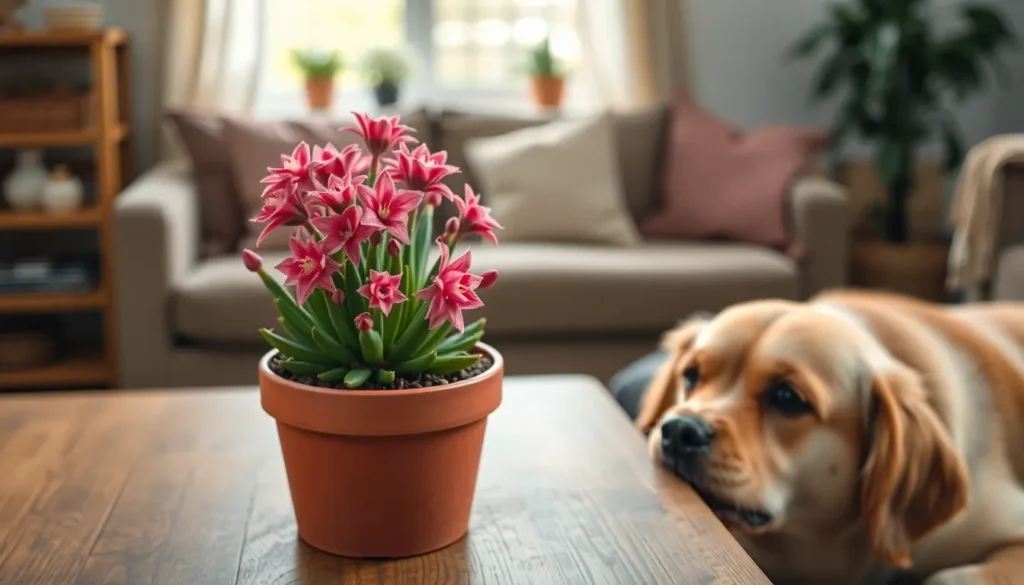
The Christmas cactus (Schlumbergera) generally poses minimal risk to dogs. Understanding its toxicity levels and potential symptoms of poisoning is essential for pet owners.
Toxicity Levels
Christmas cactus ranks as non-toxic to dogs, according to the ASPCA. The plant doesn’t contain any harmful compounds that would induce severe reactions in pets. Minor gastrointestinal upset, if any, might occur after ingestion, but serious health issues remain unlikely. Other holiday plants, such as poinsettias and holly, carry greater risks, reinforcing the relative safety of the Christmas cactus.
Symptoms of Poisoning
If a dog consumes parts of a Christmas cactus, potential symptoms may include:
- Vomiting: Dogs may experience mild to moderate vomiting, signaling their discomfort.
- Diarrhea: Changes in stool consistency could indicate gastrointestinal irritation.
- Drooling: Excessive drooling may occur due to nausea or oral irritation.
Signs of serious illness typically do not arise, but pet owners should monitor their dogs closely. If symptoms persist or worsen, contacting a veterinarian for advice is advisable.
Safe Alternatives for Dog Owners
Dog owners looking for festive plant options should consider non-toxic alternatives that pose no risk to their pets.
Non-Toxic Plants
Many plants enhance holiday decor without endangering dogs. Non-toxic options include:
- Spider Plant: Hardy and resilient, the spider plant thrives in various light conditions and is safe for pets.
- Boston Fern: This lush greenery adds elegance and is non-toxic, making it a great choice for families with dogs.
- Areca Palm: Known for its feathery fronds, the areca palm is safe for canine companions while contributing to a tropical atmosphere.
- African Violet: With its vibrant flowers, the African violet is a beautiful option that dogs can safely coexist with.
- Christmas Rose (Helleborus niger): Often mistaken for toxic holiday plants, the Christmas rose is safe for dogs while adding seasonal charm.
Tips for Pet-Friendly Decorating
When decorating for the holidays, keep these tips in mind to maintain a pet-safe environment:
- Elevate Plants: Place plants out of reach to prevent curiosity-induced ingestion.
- Secure Decorations: Anchor decorations securely to avoid toppled items that may harm pets.
- Choose Artificial Options: Use artificial plants and decorations that won’t pose ingestion risks or cause allergies.
- Avoid Edible Items: Steer clear of chocolate or other food-laden decorations that can be toxic to dogs.
- Monitor Symptoms: Always watch for signs of distress or irritation in pets around plants and decorations.
These practices ensure a festive atmosphere while prioritizing canine safety.
The Christmas cactus can brighten up holiday decor without posing significant risks to dogs. With its non-toxic nature pet owners can enjoy this festive plant while keeping their furry friends safe. While minor gastrointestinal issues may arise if a dog ingests the plant it’s crucial to monitor for any unusual symptoms.
By opting for safe decorating practices and considering non-toxic alternatives pet owners can create a joyful environment that prioritizes the well-being of their pets. The holiday season can be enjoyed fully with the right precautions in place ensuring both festive cheer and pet safety.